Client identity anonymized; numbers are real and verifiable in settled statements.
The setup
A supplement brand selling on TikTok Shop, fulfilled through FBT, with solid velocity — supplements are one of TikTok Shop's strongest categories, and this brand was riding it well. Like the $30,800 client we've written about before, they didn't arrive with a crisis. The dashboards looked fine. They took the free audit because the downside was zero.
In February 2026, $13,900 in approved reimbursements landed in their settled statements. One month, one account.
Why supplements leak differently
Here's the category-specific detail that makes this case study worth its own post: supplements are effectively non-returnable. Once a consumable ships, no platform restocks it — which changes the refund economics entirely.
On TikTok Shop, lower-priced items (roughly $10 and under) are routinely refunded without the buyer returning anything at all. For most categories that's one leak among several. For consumables it compounds: even when a return is required, the product can't re-enter sellable inventory — so every customer-favorable refund decision is a full loss of product and revenue unless the root cause gets attributed correctly.
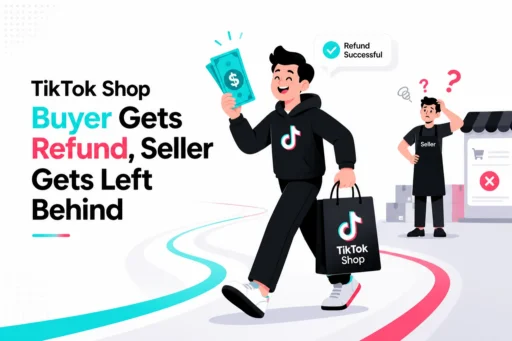
The distinction that matters: a refund caused by buyer preference is a cost of doing business. A refund caused by a logistics failure — late, lost, damaged in the network — belongs under TikTok's coverage, up to retail value, not on the seller's P&L. For a supplement brand, with no salvage value on the returned unit, getting that attribution right is worth more per order than in almost any other category. (The refund-without-return mechanics, in full.)
This brand had never made that distinction. Nobody had told them it existed.
What the audit found
Within 24 hours, claimable money in the usual categories:
Logistics-caused refund losses. The big one for this account, for the reasons above — refunds whose root cause sat with fulfillment, not the buyer, claimable under shipping coverage.
FBT inventory discrepancies. Receiving shortfalls against inbound shipments and units lost in the network — none auto-reimbursed.
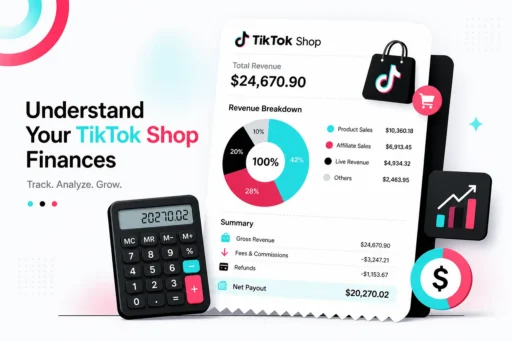
Statement errors. Deduction lines that didn't hold up.
(Per our standing rule: we publish what was found and what it paid, never the reconciliation method, claim sequencing, or documentation patterns. The findings tell you where your money is. Finding it is either your ops calendar or ours.)
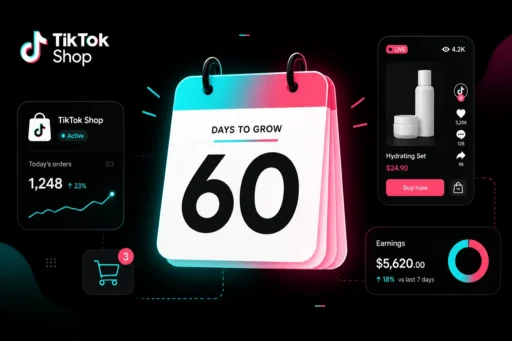
And the recurring villain of every case study we publish: expiring claims. FBT claims die 60 days from order creation. A meaningful share of the $13,900 was within weeks of expiring when the audit ran. The same engagement a month later recovers less — not because less was owed, but because the calendar erases it.
The result
$13,900 across roughly 30 days, posted to settled statements as approved claims. Against the 1–3%-of-GMV leak benchmark, this brand sat toward the high end — exactly what their profile predicts: FBT-heavy, consumable product, meaningful refund volume. (Where does your category sit? →)
The recovery is now recurring, because the leak is recurring: every month of FBT operations generates new discrepancies, new refunds needing root-cause attribution, new statement lines. Recovery isn't a one-time cleanup; it's a monthly discipline with a 60-day fuse.
What this means if you sell consumables
Three takeaways for supplement, food, beauty-consumable, and personal-care sellers:
Your refund exposure is structural. Non-returnable product plus refund-without-return policies means you eat 100% of every refund unless root cause says otherwise. Most sellers never check whose fault each refund actually was.
Healthy dashboards hide it. This brand's metrics were fine. The leak categories don't appear on any default screen.
The fix costs nothing to scope. The audit is free, takes 24 hours, and tells you the dollar figure before you commit to anything.
Get your free TikTok Shop audit →
FAQ
Is $13,900 a typical monthly recovery? No number is typical — recoveries scale with GMV, FBT usage, and refund volume. The planning benchmark is 1–3% of GMV leaking annually; a larger client recovered $30,800 in a single month, smaller shops recover less.
Why are supplement brands especially exposed on TikTok Shop? Because consumables can't be restocked, every refund is a total loss of product and revenue unless the root cause is a logistics failure — in which case it's claimable. Plus, items around $10 and under are often refunded without any return required.
Did the brand have to change how it operates? No. Claims were filed through Seller Center within TikTok's terms of service using the account's existing records. The operation didn't change; the reconciliation did.
How fast does recovered money arrive? The audit takes 24 hours; approved claims post to settled statements on TikTok's normal payout cycle, so meaningful recoveries land within the first month.